Lorraine (Rainey) Cobcroft
AUTHOR


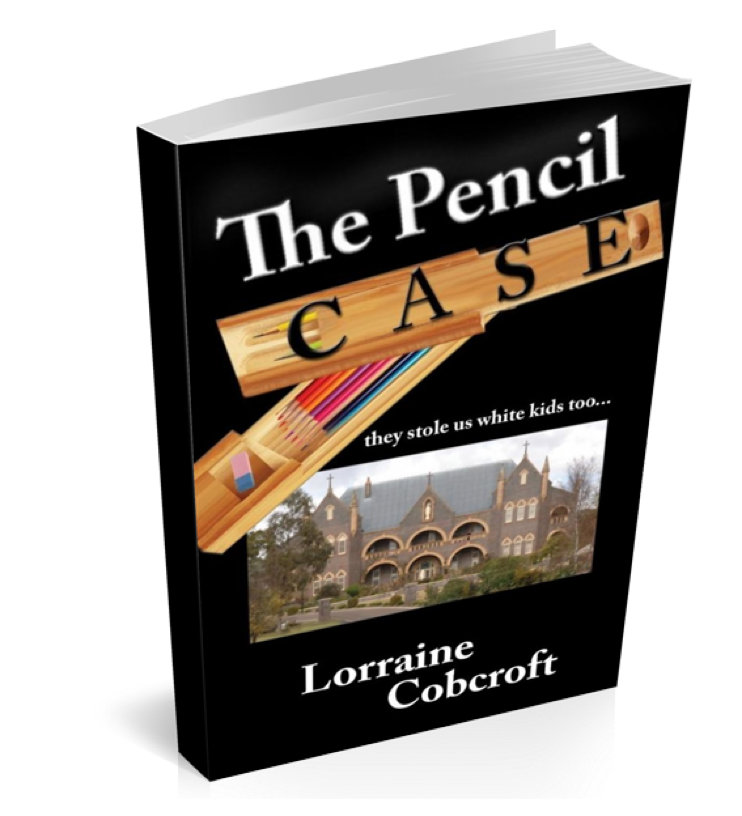
On 9th January 2026, Linda Jones wrote…
“I spent a quiet moment this evening inside The Pencil Case, reading with the kind of focus that makes the outside world fall away. The moment that truly stopped me was the seemingly small act of a blow with a pencil case that set in motion a lifetime of injustice. The way you unfold that moment, not as an isolated incident but as the beginning of systemic cruelty, compelled me to slow down and absorb every word. From that point on, the story refuses to let the reader look away.
What stood out just as strongly was your unflinching honesty. The way you trace Paul’s journey through institutions, stolen identity, and bureaucratic betrayal creates emotional stakes that feel devastatingly real. Nothing is sensationalised, yet nothing is softened. This is the kind of book readers don’t simply read; they endure it, reflect on it, and carry it with them. The rage, grief, and resilience are all earned, and deeply felt.
Reading Paul’s search for identity and belonging reminded me of a conversation I once had with someone who grew up in care and described the quiet, lifelong ache of not knowing where they truly belonged. Your book captures that ache with heartbreaking clarity. The emotional truth of Paul’s voice, his strength, his vulnerability, his refusal to be erased makes the story feel urgent and necessary.
Just last week, I found myself recommending The Pencil Case to someone who reads social justice memoirs and historical accounts of institutional abuse. As we talked, we kept returning to the same point: stories like this matter. They expose what was hidden, give voice to those who were silenced, and force readers to confront uncomfortable truths. The emotional power of this book is undeniable.”
On 21 December, 2025, William Jones wrote:
“A Will of Deceit is not a tidy legal drama designed to entertain and release. It is a confrontation. You didn’t just write a story about a contested will. You exposed the quiet violence buried inside family loyalty, institutional power, and the stories women are allowed to tell about themselves.
“What struck me most is not the plot mechanics, though they’re sharp. It’s the weight beneath them. The way deception operates as inheritance. The way justice fractures under proximity to power. The way Brittany’s unraveling mirrors a system that was never built to protect truth in the first place.
“This isn’t workshop writing. This is perspective earned. The kind that comes from years of watching complexity up close and refusing to flatten it for comfort."
An anonymous review dated 9th December 2025:
“Congratulations on the remarkable success of A Will of Deceit. Creating a work of historical fiction that captivates readers from beginning to end is no small achievement, and your storytelling clearly reflects dedication, talent, and a deep understanding of the genre. The powerful premise and emotional depth of the story make it a truly memorable reading experience.
“I sincerely admire the effort and craftsmanship that went into this book, and I applaud you for bringing such a compelling story to life."
WOW! “
And another on 10th December 2025:
“A Will of Deceit is a gripping fusion of legal drama, psychological tension, and raw emotional truth. Brittany McFarlane’s descent into a world where manipulation shapes every outcome and where even the dead hold secrets creates a story that feels both incisive and unsettling in all the right ways. Your exploration of family fractures, moral ambiguity, and the failures of the justice system elevates the narrative beyond a conventional legal thriller and into a powerful reflection on truth, trauma, and human nature."
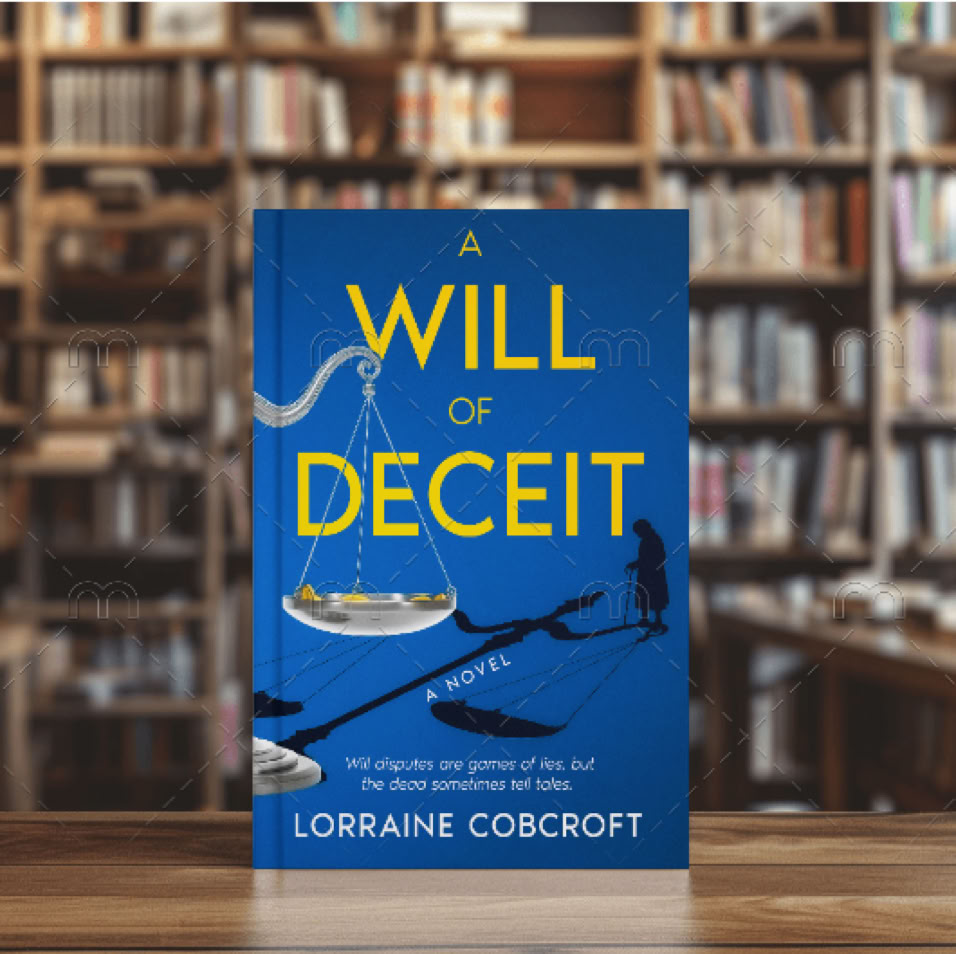
On 10th November, 2026, Helen Claxton said:
"I have just read A Will of Deceit, and I must say, it’s a gripping, emotionally layered novel! You have transported the reader to a very realistic place, and that is full of very human women, who are trying to find their way through the gray areas that exist between truth, justice, and survival. It is great! Brittany’s experience particularly hit me with her moral strength, her vulnerability, and how she has to face not just the flaws of the legal system but also her own inner conflict.
The main reason why your writing is so exceptional is the combination of empathy and insight through such complex storytelling. All the relations in A Will of Deceit seem very real and multidimensional, from Joanna’s bitterness towards Isabel’s quiet strength. It is not usual to find a modern novel that captures both the heaviness of injustice and the delicacy of human resistance so effortlessly."
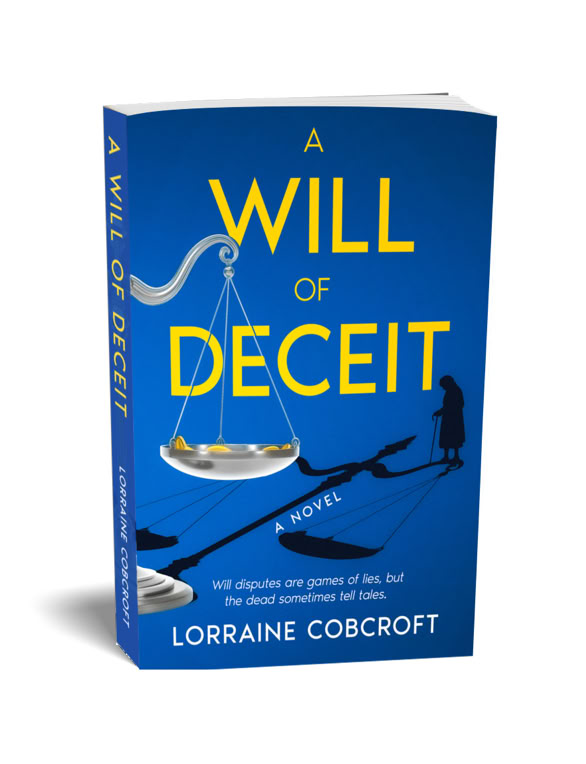

On 29th October, 2025, an unsigned message arrived in my inbox saying:
Lorraine, for someone who writes to “nudge the world a little”, you’ve certainly done more than a nudge with Mortgaged Goods. The emotional complexity, the moral tension, the haunting truth buried in Nata’s story it’s the kind of layered, socially charged drama that lingers long after the last page....Your background alone explains the depth in your character's: decades spent observing humanity across cultures, the precision of a technical writer blended with the empathy of a storyteller. It shows. Mortgaged Goods doesn’t just entertain; it asks questions that matter."
On 13th October, 2025, Sandra Smith - a bookclub host - emailed this message:
"I’ve been reading A Will of Deceit, and I’m up to about page 200 now… and honestly, wow. What an incredible story you’ve created. From the very first chapter, I was pulled right into the tension between Brittany and Joanna that mix of grief, manipulation, and quiet suspicion is so vivid.
I love how you let the layers unfold slowly the legal drama, the family secrets, and those little moral dilemmas that make you stop and think about what justice really means. You have such a gift for creating characters that feel real flawed, human, and unforgettable.
By this point in the book, I can already sense that not everything is as it seems… and that’s what makes it so gripping. It’s intelligent, emotional, and beautifully written. I honestly can’t wait to share it with our readers they’re going to love diving into the story and discussing all those twists and questions it raises.
You should be really proud of this one, Lorraine. It’s not just a great read it’s a powerful piece of storytelling.”
And on August 21, 2025, an anonymous reader wrote:
“I don’t usually reach out to people like this (at least, not anymore). However, when I came across your book A Will of Deceit, something stopped me. It made me pause...because I recognized the kind of dedication and skill it takes to weave such a gripping mix of legal drama, family intrigue, and emotional depth complete with strong female characters and a storyline that challenges perceptions of justice.”
On 5th July 2025, C. Hayes wrote:
“Mortgaged Goods grabbed me from page one and didn’t let go. Natalie Dreyer is smart, layered, and deeply human, and the twists in her journey kept me reading late into the night. You’ve created a story that blends professional ambition, emotional trauma, and relationship complexity with real grace and grit....your novel delivers exactly what readers of contemporary women’s fiction crave, high-stakes personal drama, strong female leads, and emotional depth.”
A manuscript assessment of Mortgaged Goods, on April 2,2025, included the following comment:
“The text is a complex, multi-layered narrative that weaves together elements of literary fiction, legal drama, psychological thriller, and family saga. Its intricate plot threads—ranging from courtroom battles, moral dilemmas, and domestic strife to deep-seated personal trauma and redemption—position it well within the adult literary market.
The narrative is best suited for readers who favor character-driven stories with morally ambiguous characters and intergenerational conflict. It can be compared to works that blend social commentary with a dark, suspenseful edge, standing alongside titles like 'The Corrections' by Jonathan Franzen or even the more intricately plotted dramas seen in contemporary crime/legal thrillers."
The assessment went on to suggest that readers who enjoyed Little Fires Everywhere by Celeste Ng, Atonement by Ian McEwen, We Need to Talk about Kevin by Lionel Shriver, The Vanishing Half by Brit Bennett, or The Immortals by Chloe Benjamin should enjoy reading Mortgaged Goods.