Lorraine (Rainey) Cobcroft
AUTHOR


Noveltunity Award Winner 2013
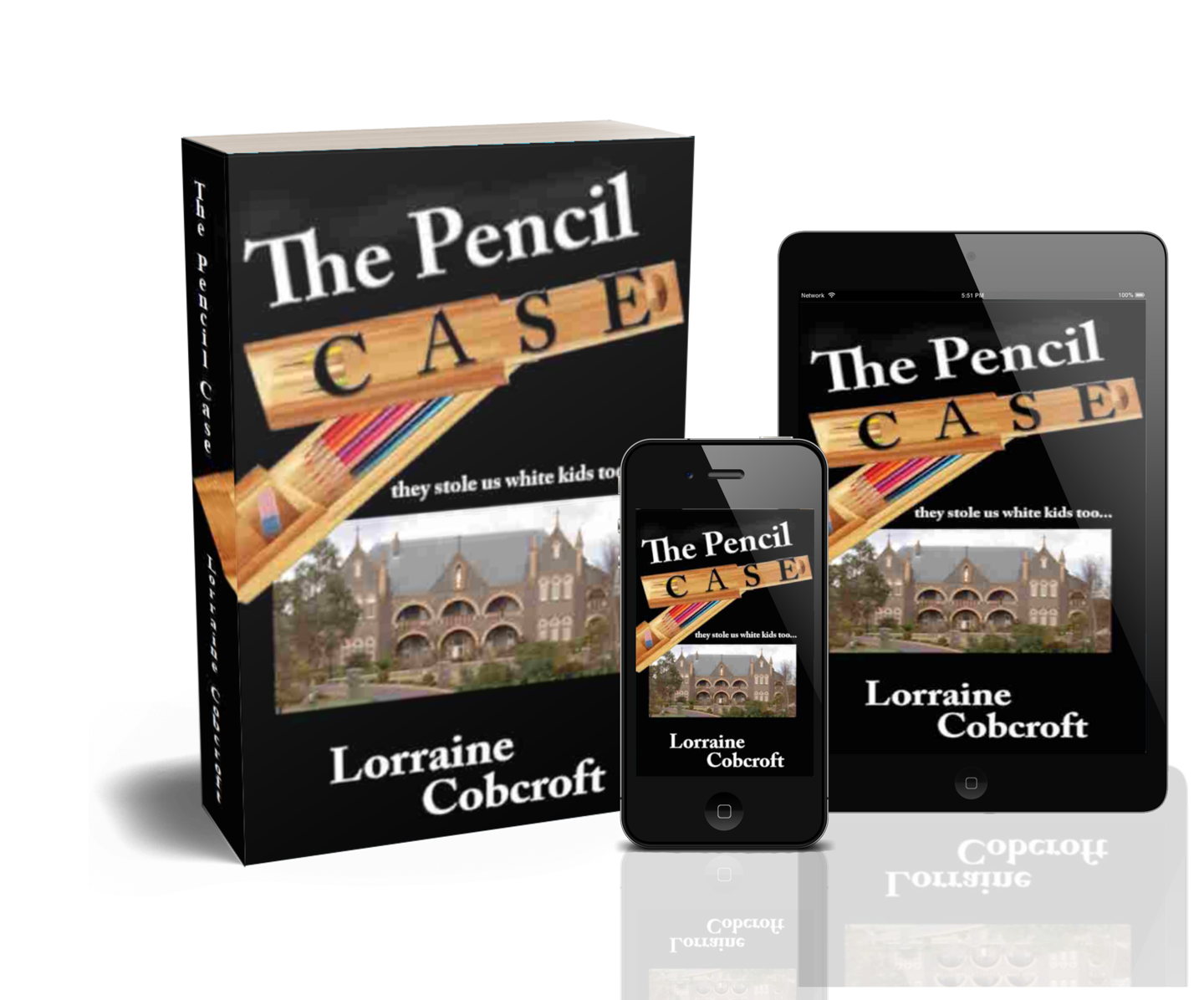
A hit on the head with a pencil case began Paul Wilson's lifelong battle against the system and the pencil-pushers who tormented him... but nothing could break his indomitable spirit. Paul was a fifth generation, native-born white Australian, and a stolen child. Bureaucrats stole him twice. So-called 'women of God' and a misguided carer stole his identity, his heritage and his self-respect. Journey into the home and lives of a battling Aussie bush family and weep over cruel injustice that breaks a mother's heart and kills a father's soul. Witness child abuse and deprivation in an almost Dickensian world. Meet foster parents whose dedication and caring gives orphans and waifs hope for a future. Follow Paul's struggle through adult life, sharing his and his family's pains and joys. Celebrate his triumphs. Mourn his foolishness. Admire his strength and courage as he fights continuing injustice, haunted by demons from his past and nursing an insatiable thirst for revenge. A story that illustrates the beauty and strength of the human spirit and the power of family love.
Biographical and historical fiction. Based on a true story.
This story might elicit anger and tears. It might be seen to denigrate, perhaps unfairly, nuns who no doubt did the best they were capable of, given their own childhood experiences and their lack of training and support.
It is an unapologetic condemnation of a flawed ‘welfare’ system and some of those who worked in it.
Ultimately, though, it is a celebration of courage, strength and love.
The Pencil Case' is a very powerful story, a story of a child and his sister, taken from parents who loved them to a place where no-one loved them. Paul's parents were unable to provide decent housing, and sometimes he went hungry. So he was sentenced to a harsh prison for children, a place where living conditions were worse, he was always hungry, and he was routinely beaten by perverted evil women who liked to think they were `Brides of Christ.' If he hadn't refused to be confirmed as Catholic at the age of 12, he would have been taken to a different place, a place run by priests, a place where it is alleged that many suffered sexual abuse. Instead, he was beaten even more severely than usual, and taken to a different home, this time a home where the boys were treated far better.
I have read the whole of this story, and also feel scarred. It is hard to stop thinking about it - so powerful. This is not a story of something a long time ago, or of a place far away. Paul is very close to my own age, I know the towns he speaks of. It is set in the fifties, an era of prosperity for Australia, and civilised values - civilised values apparently not shared by the Catholic church and its employees. The nuns separated brothers and sisters, allowed them no contact with family, deprived them of personal possessions, even of the clothes they arrived in, dressed them in poor clothes and half starved them. As if this was not enough, the poor children were repeatedly told they were scum, just as their parents were scum, and they were beaten on a regular basis.
This a harrowing read, but I could not stop turning the pages. The book is so well written that I felt I was there with Paul and Jenny, suffering with them, feeling angry at how they were treated, and rooting for a happy conclusion. The writer takes you into Paul's mind as he struggles to adjust, contain his anger and frustration as he attempts to cope with the demons who rule his life and his behaviour. The Pencil Case by Lorraine Cobcroft is one of those books that will remain with you long after you have read the last page. A sad story beautifully told, and I wish I could award it ten stars.

'The Pencil Case is one of the most powerful exposes of the crippling effects of the withdrawal of love that I have ever read. The experiences of the main character come roaring off the page with deep emotional impact on the reader. You really want the man to find peace and love and wish fervently that he may do so.
I think that it is an awesome book. This story must be told. As a mother, my heart went out to your
Lucinda E. Clarke, for Readers Favorite
M.A. McRae, Amazon
“I knew, when I married, that my husband grew up in an orphanage. I knew he had two sisters who also spent their childhood In an institution in which my mother worked - after all three had grown and left - and about which she told stories of emotional and physical abuse that led, a few years after my marriage, to the institution being closed down and a new way of caring for waifs devised.
I knew nothing of the emotional and psychological effects of child abuse, the withdrawal of love, and disconnection from one’s foots and birth family. Without the wealth of resources easily accessible today, learning was hard, and often painful.
It wasn’t until after more than forty years of marriage, with children grown and fled the nest, that an apology to the ‘Stolen Generation’ prompted my husband to ask me to write his story. He had reunited with his family early in our marriage. I had learned snippets of his story, and theirs, as the years passed. But he rarely spoke of his childhood, and the he did, he obfuscated the parts that might shock, and his feelings. To write his story, I had to know it. And so we took a long holiday, and at last he talked, openly and honestly, in a way he had never been able to before.
He reunited, then, with his foster brothers - men who, like him, had hidden their past, shamed and afraid. The Apology sent a message that the shame was not theirs. It belonged to the society that had failed them in their time of need. But it was not an apology to him. It was selective. And still, today, stolen children are classified according to race. Austrailan-born whites, like my husband, are branded ‘’forgotten’’. He wasn’t. His family never forgot. Letters and gifts were destroyed. Shocking lies were told. His father walked well over 100 km to visit his beloved children, but he was turned away; told he’d come to the wrong place.
This was a story that cried to be told. “
Lorraine was only just beginning a foray into fiction writing when she started this work. Transitioning from non-fiction business and instructional writing to fiction proved a challenge. She is deeply indebted to the members of Fairfield Writers Group - and in particular, Findlay McKechnie and Helga Parl
Lorraine is also deeply indebted to the members of the now defunct web community, Authonomy, run by Harper Collins Publishers. There, she met a wonderfully supportive group of fellow writers, including the amazing author, Marj McRae, who critiqued constructively and provided a wealth of encouragement and support. Lorraine was blessed to later meet Marj in person and to form a lasting friendship with a beautiful and very talented lady.